
Reactivating and Retaining Customers Smartly
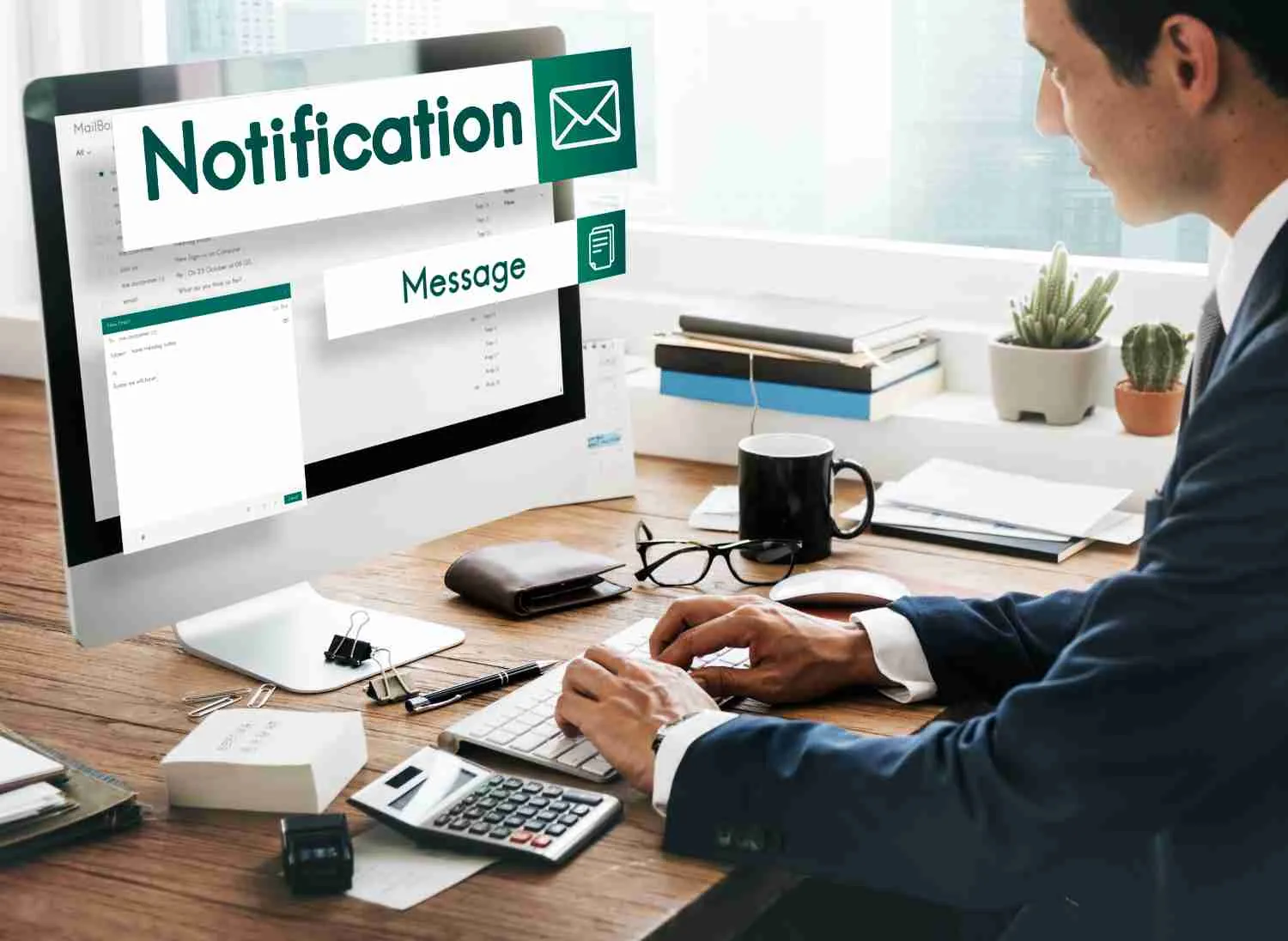
Every business faces the challenge of reactivating and retaining customers who have become inactive. Understanding why customers drift away and finding ways to bring them back is crucial for long-term success. This involves using smart marketing techniques that can effectively re-engage and build loyalty among your customer base.
First, identifying which customers are inactive is essential. This involves analyzing your customer database to find those who haven’t engaged with your business for a certain period. These customers may have stopped booking appointments or buying your products. Once identified, you can focus on strategies to bring them back.
Next, customized email campaigns can play a significant role in reactivating customers. Personalizing your communication makes it more relevant and appealing. Addressing customers by name, referencing their past interests, and offering helpful information can grab their attention and encourage them to re-engage.
Offering incentives and exclusive promotions is another effective way to win back customers. Special discounts or limited-time offers can motivate inactive customers to return. Showing them they are valued can make a big difference.
Implementing a customer loyalty program keeps your customers coming back. Rewarding your loyal customers with points, discounts, or freebies not only retains them but also encourages repeat business. This turns occasional customers into regular ones, benefiting your practice in the long run.
By reactivating and retaining customers using these techniques, you can strengthen your practice and ensure continuous growth.
Identify Inactive Customers
Identifying inactive customers is the first step in reactivating them. Start by examining your customer database. Look for individuals who haven’t made appointments, purchased products, or interacted with your business for a defined period. This timeframe can vary depending on your practice, but a good rule of thumb is to consider a customer inactive if they haven’t engaged within the last six months to a year.
Use your customer relationship management (CRM) system to sort and filter these inactive customers. A well-maintained CRM can help you pinpoint these individuals quickly. It’s also useful to track their past interactions, such as services they used or products they bought. This data gives insights into their preferences and behavior.
Once you’ve identified inactive customers, segment them into groups based on various criteria. For instance, you could categorize them by the types of services they used or the amount they spent. Segmentation helps tailor your reactivation strategies to different groups, making your marketing efforts more effective.
Develop Customized Email Campaigns
Developing customized email campaigns is a crucial tactic for re-engaging inactive customers. Personalized emails help you connect better with your audience, making them feel valued. To start, craft an engaging email subject line that grabs attention. Something like, “We Miss You! Here’s a Special Offer Just for You” can pique interest.
Use the recipient’s name and refer to their past interactions with your business in the email body. For example, mention the last service they used or a product they purchased. This personal touch shows that you remember and appreciate them. Offer valuable content that addresses their needs or interests, such as dental health tips or updates about your practice.
Incorporate a clear call-to-action (CTA) that encourages re-engagement. Whether it’s booking an appointment, taking advantage of a special offer, or visiting your website, make the next steps easy to follow. Ensure that the email design is clean and mobile-friendly, as many people check emails on their phones.
Segment your email list to send targeted messages to different groups of inactive customers. Customized emails tailored to specific segments can yield better results. Track the performance of your email campaigns using metrics like open rates, click-through rates, and conversions. Use this data to refine your approach and improve future campaigns.
Offer Incentives and Exclusive Promotions
Offering incentives and exclusive promotions is an effective way to reactivate inactive customers. Special discounts, limited-time deals, and exclusive offers can entice them to return to your practice. Promotions not only grab attention but also create a sense of urgency, encouraging customers to act quickly.
Consider providing a discount on a popular service or a buy-one-get-one-free deal on products. These offers can make your services more appealing, especially if a customer hasn’t visited in a while. Make sure your promotions are clearly communicated in your marketing materials, such as emails and social media posts.
Another option is to create a referral program. Encourage your current and inactive customers to refer friends and family by offering rewards for each new client they bring in. This helps reactivate inactive customers while also attracting new ones.
Create exclusive promotions for loyal customers. Personalized offers, such as birthday discounts or special anniversary gifts, can make customers feel appreciated and valued. Exclusive deals help reinforce the relationship and encourage ongoing loyalty.
Implement a Customer Loyalty Program
Implementing a customer loyalty program helps retain your existing clients and keeps them coming back. A well-designed loyalty program rewards customers for their repeat business, making them more likely to choose your practice over competitors.
Start by setting up a points-based system. Customers earn points for every visit, purchase, or interaction with your practice. These points can be redeemed for discounts, free services, or exclusive products. This system incentivizes customers to engage more frequently.
Tiered loyalty programs are another effective strategy. Create different levels of membership, such as bronze, silver, and gold, offering progressively better rewards at each level. This encourages customers to strive for higher tiers by increasing their engagement with your practice.
Communicate the benefits of your loyalty program clearly. Use emails, social media, and in-office materials to inform customers about how they can join and what rewards they can earn. Regularly update your loyalty program offerings to keep things fresh and exciting, encouraging long-term participation.
Conclusion
Reactivating and retaining customers requires a strategic approach that combines identifying inactive clients, tailoring personalized emails, offering attractive incentives, and implementing a robust loyalty program. These smart marketing techniques help you keep your customer base engaged, resulting in sustained growth for your practice.
By understanding your customer’s needs and preferences, you can develop targeted strategies that bring inactive customers back and keep them coming. Your efforts in personalization and engagement foster stronger relationships, which translates to higher satisfaction and loyalty.
Ready to boost your customer reactivation and retention? Connect with You Got This Marketing today and let our medical practice marketing agency help you create effective marketing strategies tailored to your medical practice’s needs. Let’s grow together and achieve lasting success!